
The concept of energy autonomy has become a necessity in today’s real estate market, moving beyond theoretical discussion to become a priority for modern residential properties. Current global market instability and the escalation of energy costs have highlighted the risks inherent in continued reliance on fossil fuels, particularly natural gas. Innovation in building systems technologies is now paving the way for residential solutions capable of generating, managing, and optimizing energy autonomously, delivering the dual benefit of significantly reducing costs while substantially improving indoor comfort and living quality.
Is it realistically feasible to make a home gas-free?
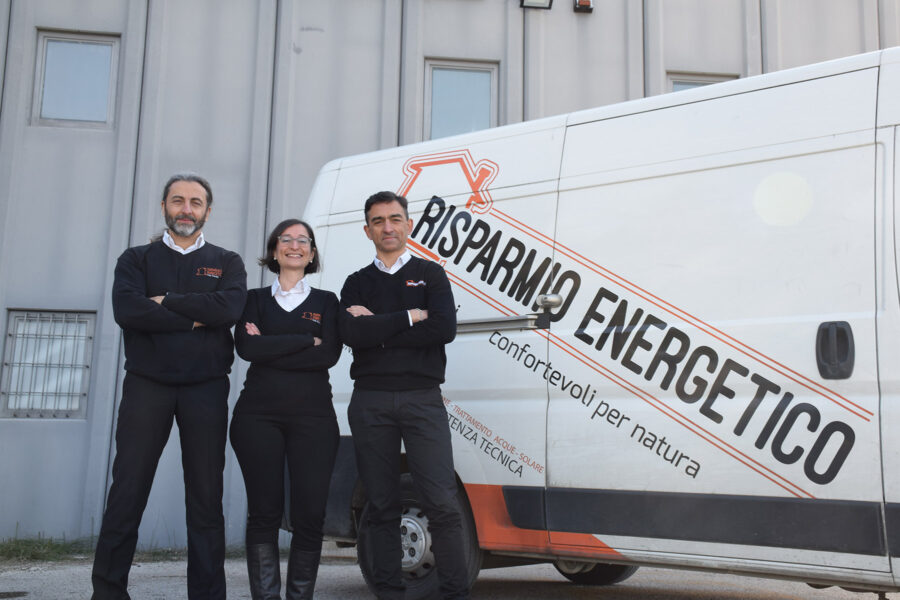
In this analysis, prepared in collaboration with our Great Synergy partner – “Risparmio Energetico”, we examine in detail the strategies for achieving energy independence through a holistic systems-based approach, which considers the synergy between multiple components to reach a rational and sustainable optimization of energy consumption.
Energy Independence: A Comprehensive Definition
True energy independence does not imply complete off-grid isolation, but rather the goal of drastically reducing reliance on external energy supply, with a primary focus on eliminating natural gas and minimizing purchased electricity.
An energy-independent residential project is structured as a system in which:
- Electricity is generated on-site through photovoltaic (PV) systems.
- The energy produced is stored and managed via battery storage systems, essential for nighttime, evening use, or periods of low solar irradiation.
- Energy consumption is optimized through high-efficiency technologies, particularly heat pumps, which fully replace traditional legacy systems.
This strategy represents a shift beyond conventional energy efficiency upgrades, aiming instead at a full reconfiguration of residential energy production and consumption models.

Why It Is Essential to Phase Out Gas Today
Although natural gas has dominated residential heating for decades, its current vulnerabilities are undeniable. From both an economic and technical standpoint, gas-based systems involve:
- Exposure to international energy market volatility
- Limited predictability of long-term operating costs
- Lower energy efficiency compared to next-generation electric systems
- CO₂ emissions that conflict with global sustainability targets
Even the latest-generation boilers rely on combustion, an inherently limiting physical process. In contrast, renewable-based systems offer:
- On-site energy generation (self-production)
- Greater stability in operating costs
- Highly scalable and easily integrable system architectures
This transition is no longer purely an environmental choice, but a technically and economically forward-looking decision.

How to Achieve Energy Independence in your Home
Achieving energy autonomy requires precise integrated system planning. Installing a photovoltaic system alone is not sufficient; it is essential to design a cohesive energy ecosystem where all components operate in synergy.
The three core pillars of system engineering are:
- Generation (photovoltaic systems)
- Storage (battery energy storage systems)
- Efficient consumption (heat pump technology)
Proper system sizing must account for multiple variables, including historical and current energy consumption, building envelope characteristics, occupant behavior, and the precise thermal and electrical demand profile. The key to a high-performance system lies in the quality of the initial technical assessment and design phase.
Photovoltaic System with Storage: The Core of the System
The photovoltaic system is the foundational element of any pathway toward energy autonomy. Its primary function is to convert solar radiation into electrical energy. However, maximum performance is achieved only when combined with energy storage systems.
A battery storage system allows for:
- Storage of electricity generated during daylight hours
- Availability of energy during evening and nighttime use
- Significant reduction in electricity drawn from the grid
A properly optimized system can achieve very high self-consumption rates, driving the property toward tangible energy independence.
Heat Pumps: Heating Without Combustion
Heat pumps are the definitive technology for fully eliminating natural gas. Unlike combustion-based systems, they do not generate heat through burning fuel; instead, they extract thermal energy from external sources (air, water, or ground) and transfer it into the building.
This thermodynamic process delivers exceptionally high Coefficient of Performance (COP) values, outperforming traditional heating systems in efficiency terms. From a system perspective, heat pumps offer full versatility, covering space heating, summer cooling, domestic hot water production, and full compatibility with photovoltaic-generated electricity.
Energy Efficiency: The Starting Point
Any system upgrade must be preceded by a thorough assessment of the building’s structural conditions. A detailed technical diagnosis is essential to identify major thermal losses, structural weaknesses, and inefficiencies in existing heating systems.
Only after improving the building envelope (e.g., insulation upgrades or replacement windows) can energy demand be significantly reduced, maximizing the performance of new systems.

How Much Does It Cost to Achieve Energy Independence?
One of the most common questions regarding energy autonomy concerns total cost. It is important to understand that there is no fixed price: each project is fully customized based on actual consumption, building specifications, and the owner’s objectives.
Key cost drivers include:
- Photovoltaic system size
- Battery storage capacity
- Heat pump type and rated output
- Building insulation and structural conditions.
However, this type of intervention should not be seen as an expense, but rather as a medium-to-long-term strategic investment offering significant reduction in utility bills, access to public incentives and subsidies and increased property market value.
Only a detailed technical consultancy can accurately estimate return on investment (ROI), projecting long-term energy savings.
Incentives and Subsidies Available in Italy
Various incentive schemes are currently available to significantly reduce the initial capital expenditure for energy efficiency upgrades and renewable technology installations. One of the most relevant mechanisms is the Conto Termico 3.0, a funding program supporting the replacement of obsolete heating systems (wood, gas, or pellet) with high-efficiency heat pumps, stoves, or boilers, as well as the installation of solar systems (thermal or photovoltaic), including integration with storage systems and electric vehicle charging infrastructure.
These incentives allow for:
- A substantial reduction in upfront investment costs
- Faster payback periods and improved ROI
Is It Worth It Today?
The answer, both technically and financially, is yes. Given ongoing energy market volatility, unpredictable price increases, and structural dependence on external supply chains, investing in energy autonomy is an increasingly rational and necessary decision.
Modernizing building systems leads to sustained long-term cost reduction, replacing outdated technologies with high-efficiency solutions. This approach provides homeowners with a hedge against energy price instability while improving control over consumption, indoor comfort, and environmental performance.
The Importance of Specialist Consultancy
Designing and implementing integrated energy systems requires a high level of technical expertise, engineering capability, and a comprehensive system-level approach.
Relying on experienced professionals is essential to ensure success across all phases—from initial consultation and site survey, to detailed engineering design, certified installation, and management of complex incentive procedures. In this context, selecting the right partner becomes critical. Specialized companies can also offer financial facilitation solutions, such as invoice discounting mechanisms, enabling immediate access to incentives without waiting for multi-year tax deductions.
To transform technical data into informed and sustainable decisions, the first step is always a tailored professional consultation.
Trust Great Synergy – Risparmio Energetico to explore all available opportunities and plan the energy transition of your high-value property.
Meet our partner